Peru: A Journey Beyond Machu Picchu

Introduction & Itinerary

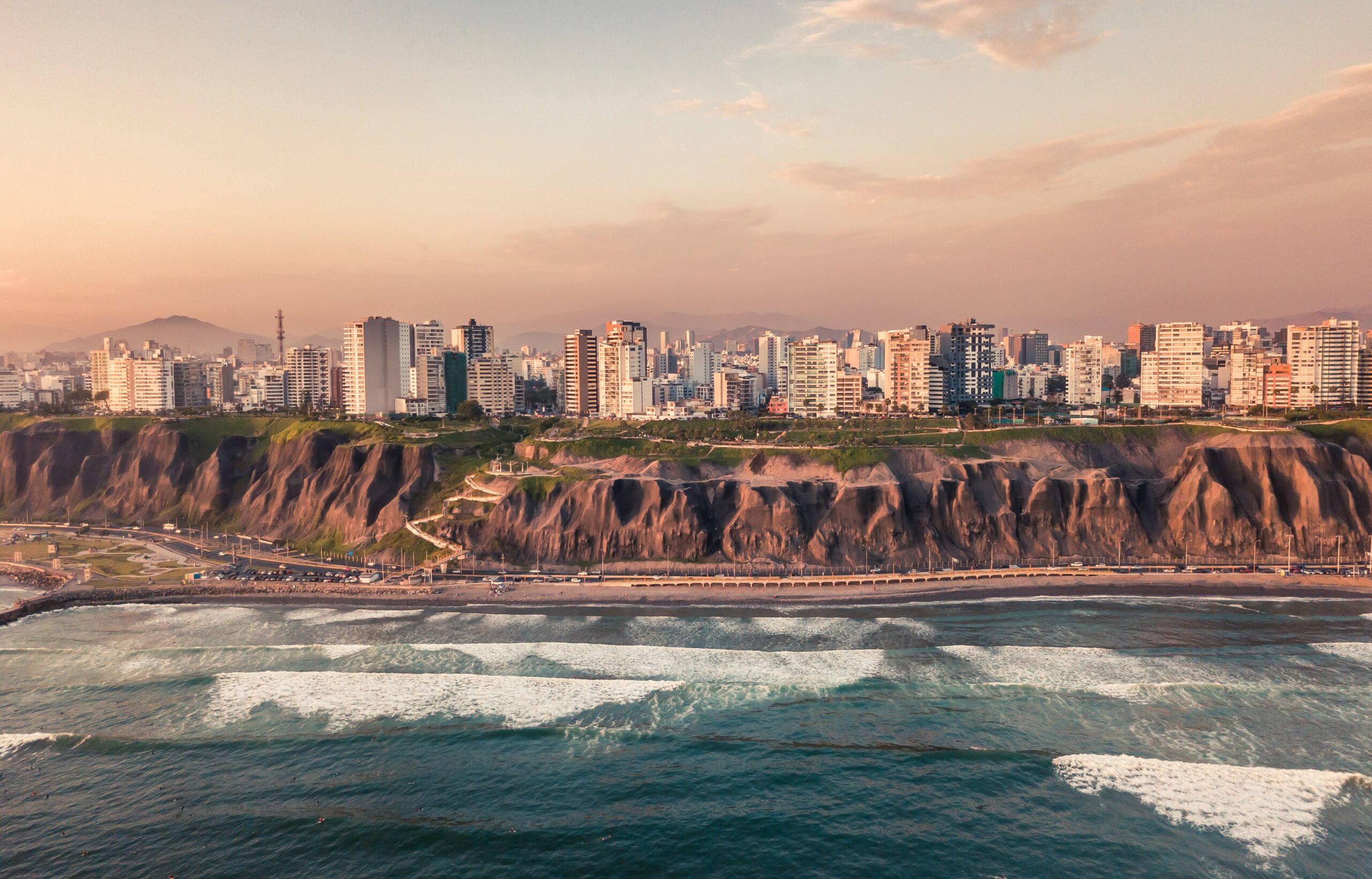
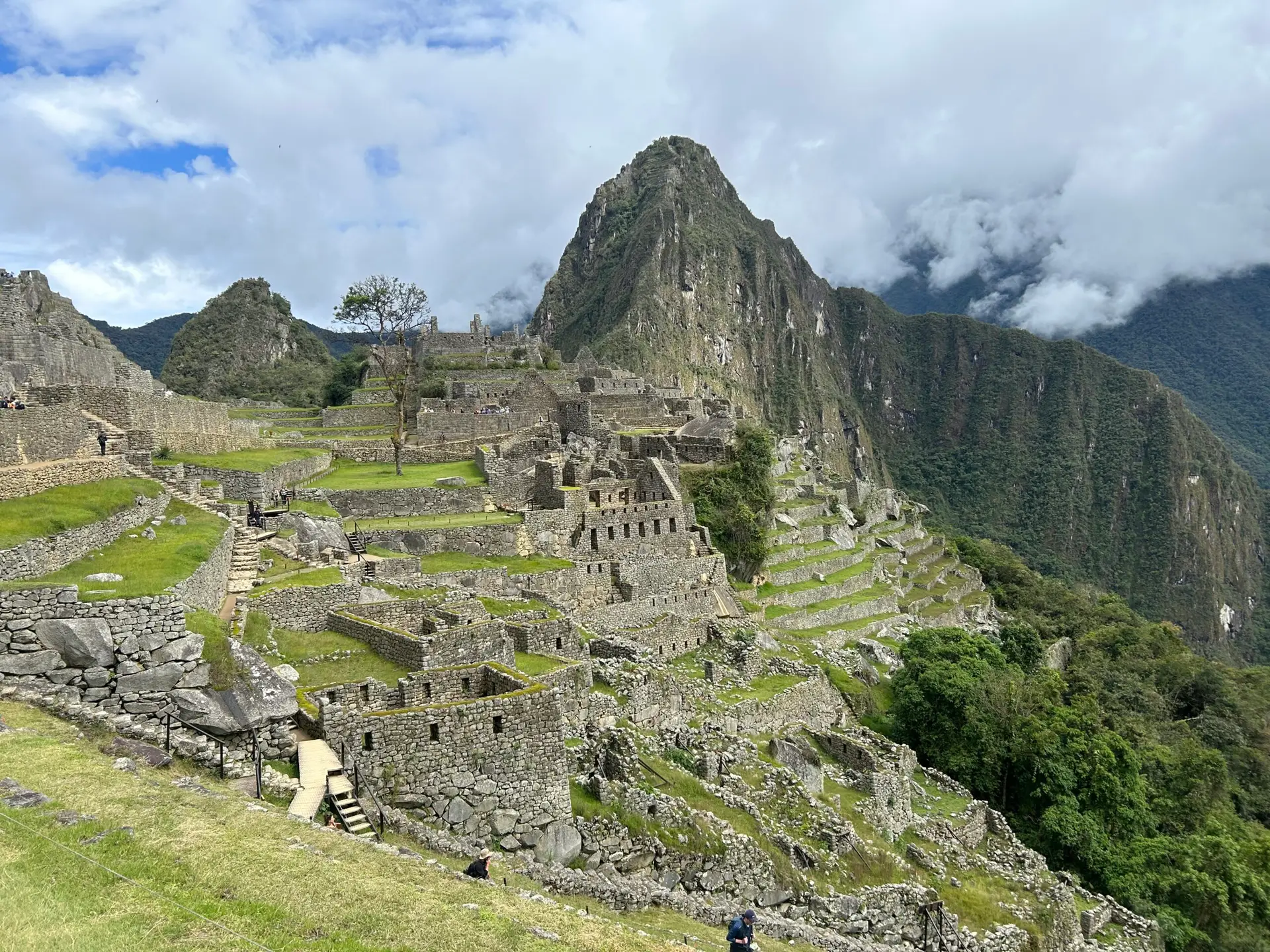
Have you ever dreamed of standing in front of one of the world’s wonders like Machu Picchu? Same here. That’s how we found ourselves deep in Google searches, plotting our temporary escape to Peru. Spoiler alert: this country is so much more than Machu Picchu. Sure, that iconic site was the crown jewel of our trip (and somehow even more glorious than in the pictures), but Peru turned out to be an endlessly diverse wonderland we wished we had 2–3 months to explore.

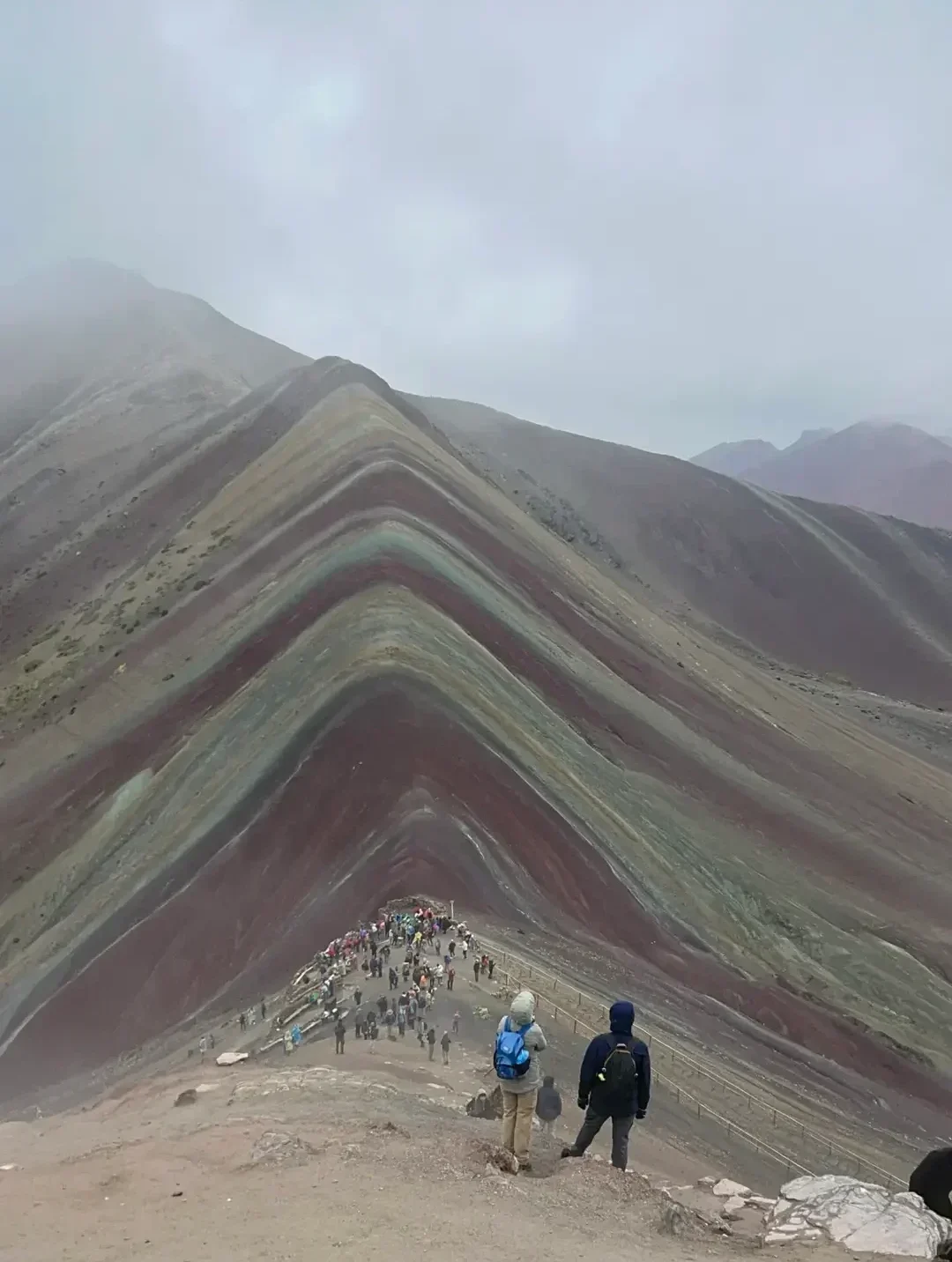
Rainbow Mountain
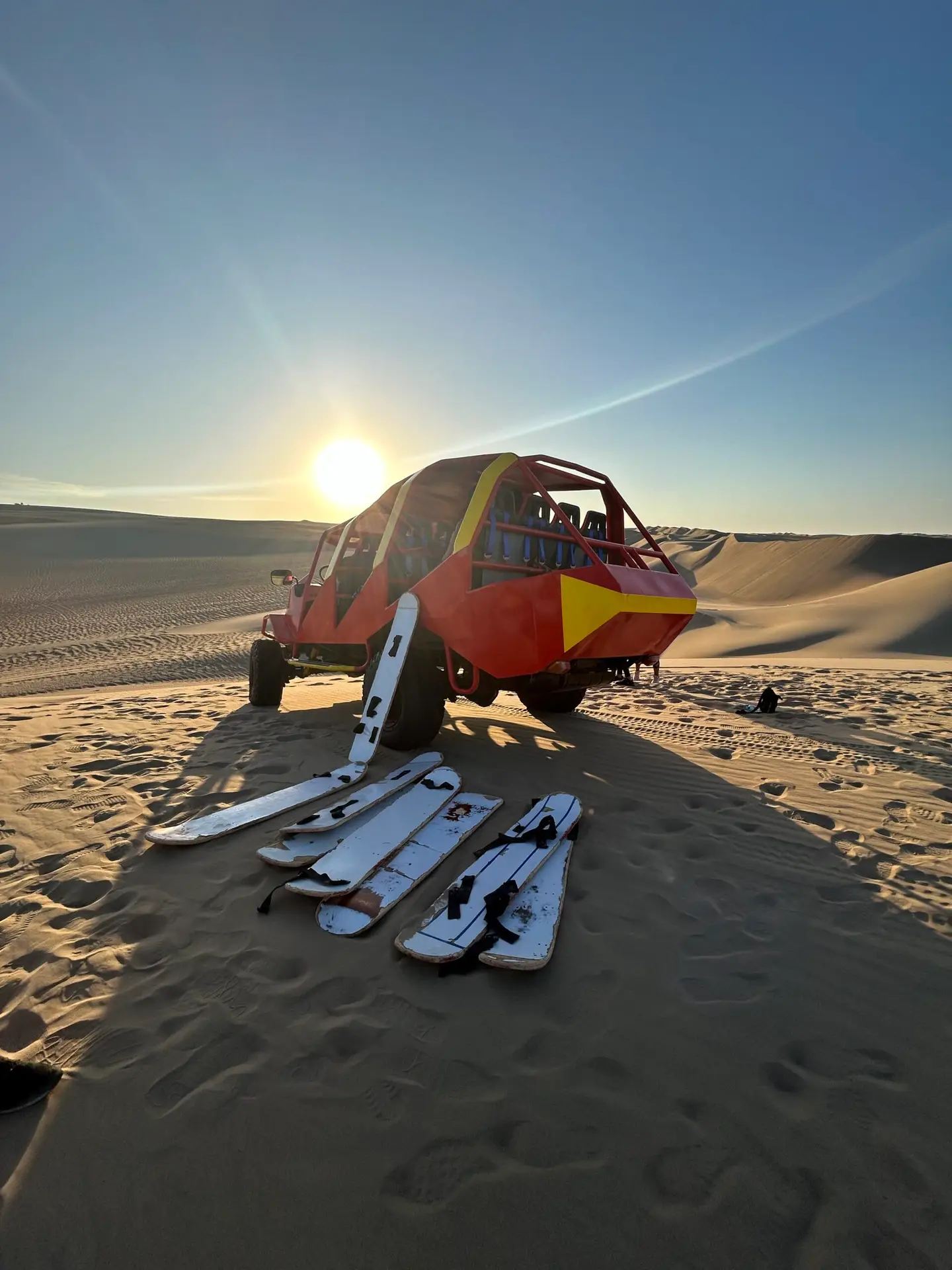
Huacachina Dunes
Macchu Picchu

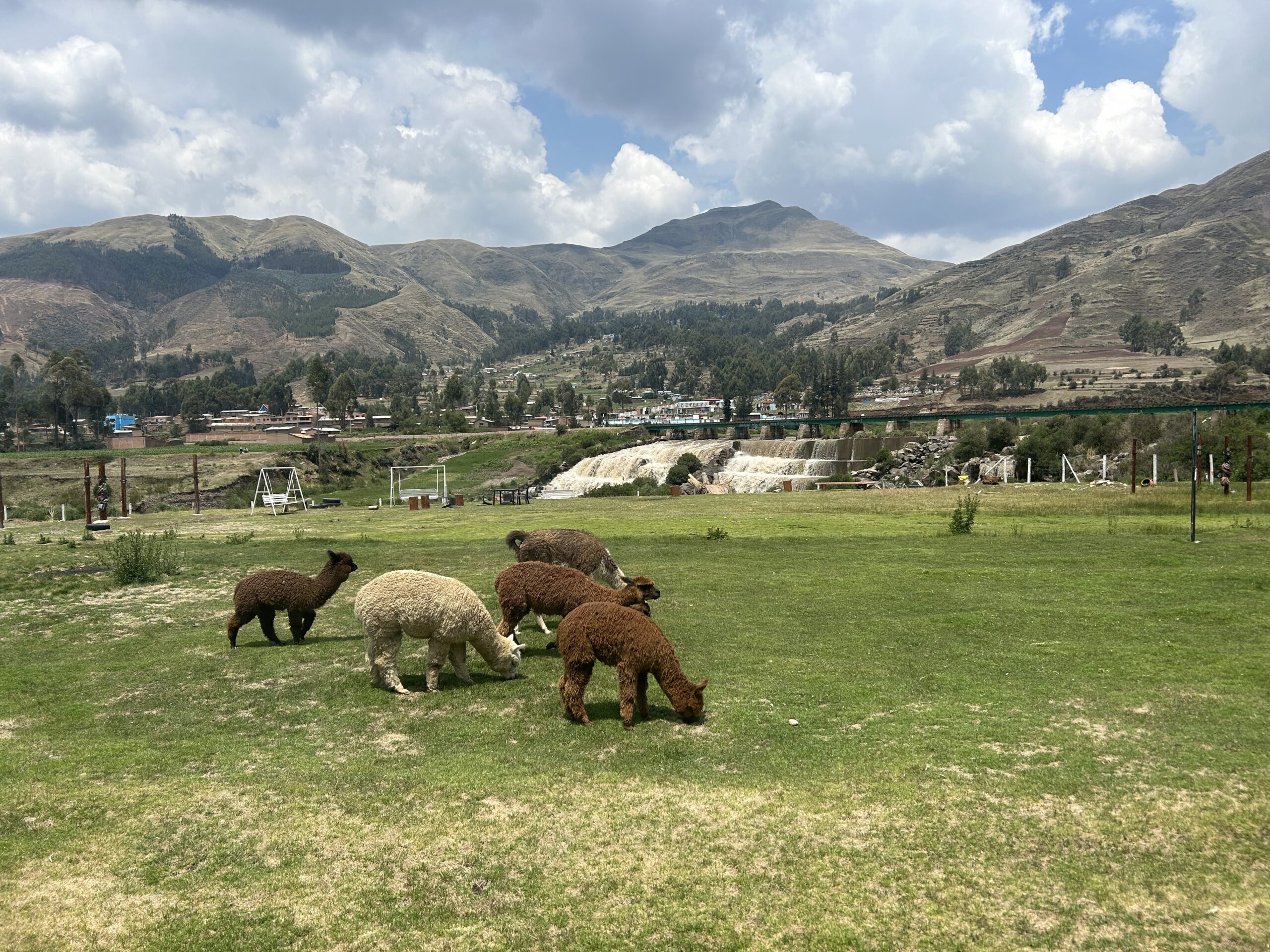
Unfortunately, our 9-to-5 reality had other plans, so we squeezed every ounce of adventure into 15 busy but unforgettable days. Our route through Peru looked like this: Lima → Paracas → Huacachina → Nazca → Arequipa → Colca Canyon → Puno → Cusco. We flew in and out of the country by plane, but once on Peruvian soil, we were all about buses with fully reclining seats (Cruz del Sur). This gave us the perfect opportunity to catch some sleep between destinations, while also enjoying front-row views of Peru’s jaw-dropping landscapes—mountains, deserts, valleys, and everything in between. And let’s not forget the parade of llamas, alpacas, and vicuñas along the way. It’s Peru’s version of a roadside cow sighting, except these animals are fluffier, cuter, and way more photogenic.

At every stop, we indulged in mouthwatering Peruvian food and explored each area, diving into must-do adventures like dune buggying and sandboarding in Huacachina’s golden dunes, conquering high-altitude hikes to Rainbow Mountain, taking a boat ride to visit the unique Uros floating islands, and getting up close to the wildlife haven of Islas Ballestas. Whether you’re into wildlife, adrenaline-pumping adventures, soaking up stunning nature, or savoring one of the best cuisines in the world, Peru absolutely deserves a top spot on your travel bucket list.

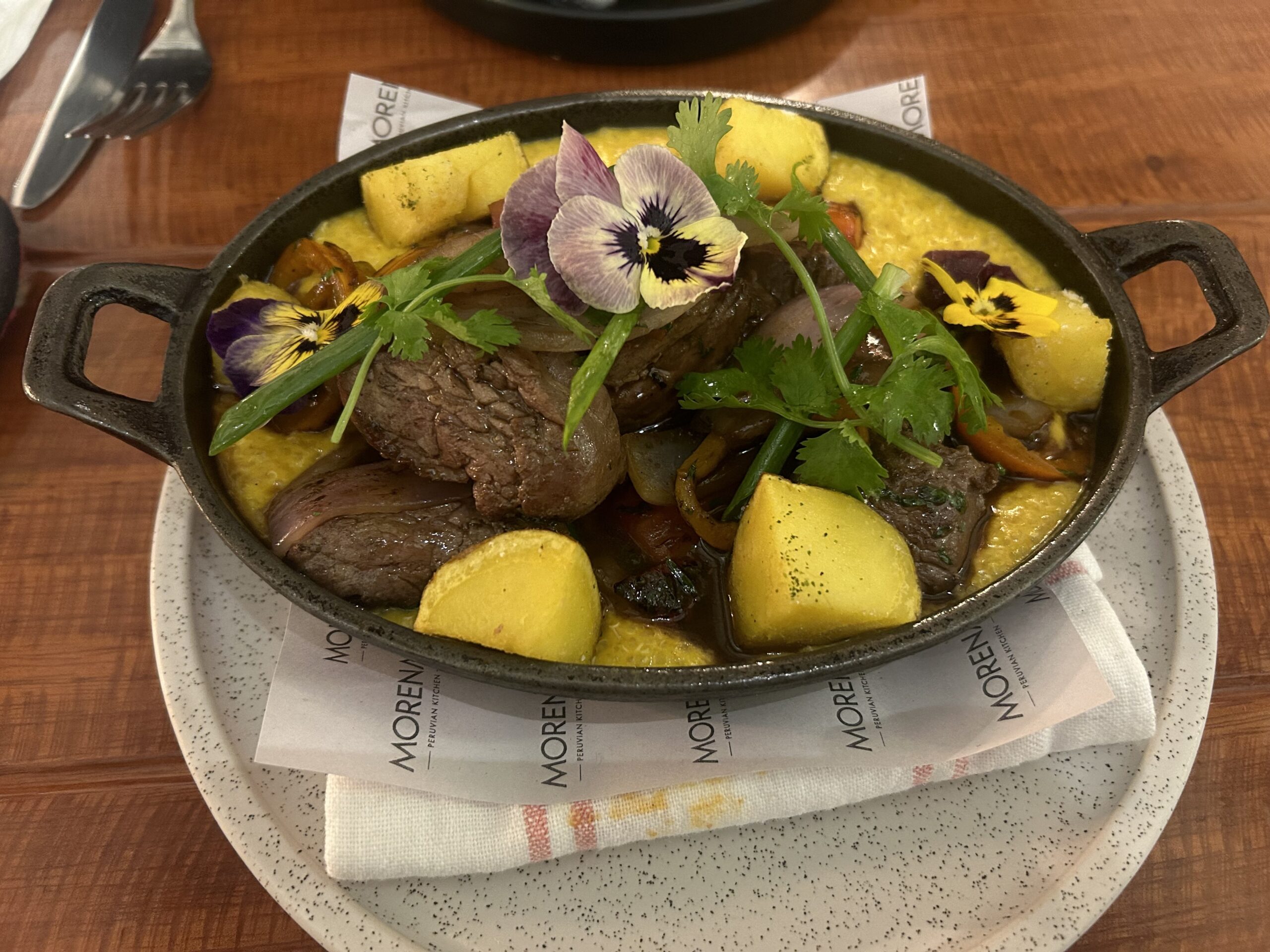
Lomo Saltado

Before You Go

Transportation: Uber and Cabify work well in Lima, making it an easy and safe way to get around. These apps may work in Cusco and Arequipa, but don’t count on it. We preferred staying in central areas and exploring on foot as much as possible. If you do need a taxi, keep in mind that they don’t have meters, so you’ll need to negotiate the fare before getting in. To avoid overpaying, ask your hotel or hostel for a price estimate beforehand.

Power Outlets: Peru uses Type A (like in the U.S.) and Type C (like in Europe) outlets, and most places accommodate both. However, Peru operates on 220 volts, so if you’re coming from a country that uses 110V (like the U.S.), make sure your devices are compatible or bring a voltage converter for anything that isn’t dual-voltage.

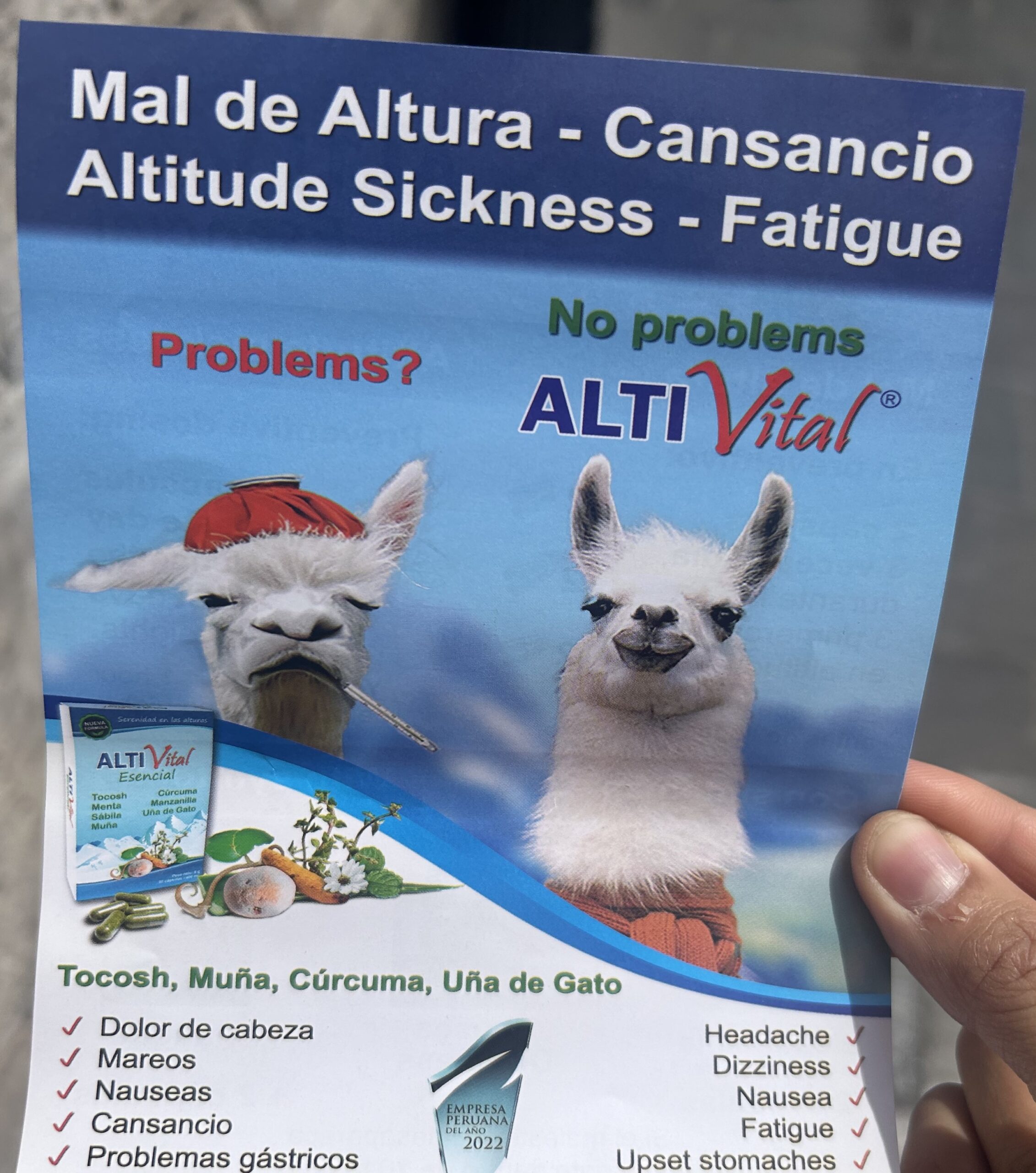
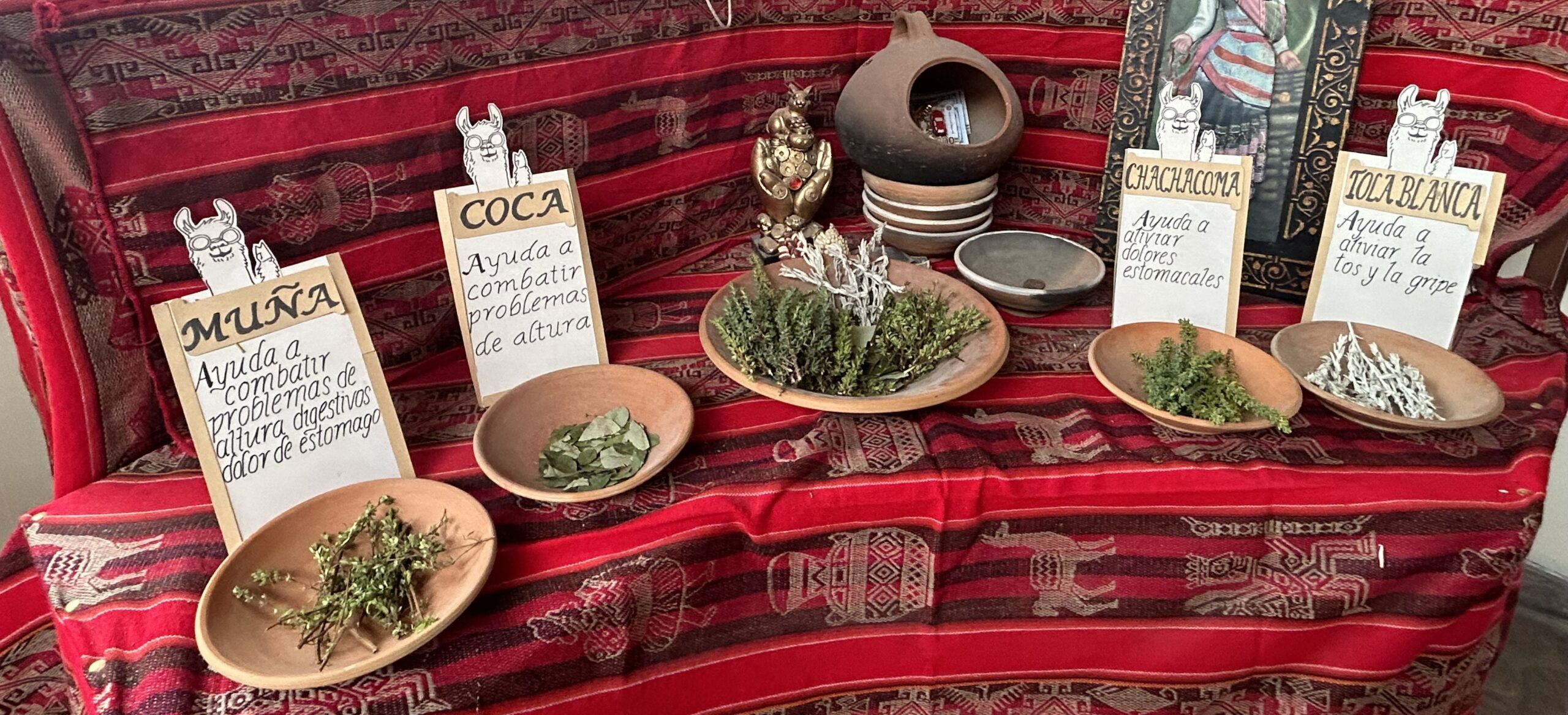
Altitude: Don’t take this lightly—it can seriously affect your trip if you’re not prepared! We took precautions by buying soroche (altitude sickness) pills in Lima and taking them as directed. We also drank plenty of coca leaf tea, enjoyed coca candies, stayed super hydrated, and even sipped on sparkling water (because apparently bubbles help too). Despite all this, we still felt lightheaded and had some headaches in certain high-altitude areas like Cusco, Lake Titicaca and Colca Canyon. So take it seriously, give yourself time to acclimate, and don’t push too hard on your first days at high elevation.

Altitude Pills

Water: Always drink bottled water and avoid tap water to steer clear of unwanted stomach issues. You don’t want to lose a few pounds from “intestinal adventures”—it’s not the type of weight loss you’ll want during your trip. And when it comes to street food, be selective with what you try—while it’s part of the experience, make sure you eat at places that look clean and safe. Stomach bugs are the ultimate party pooper (pun intended).

Currency: The official currency is Peruvian Soles (PEN) – be sure to check the exchange rate before and during your travels. We used our credit cards whenever possible (because you know how much we love maximizing those travel rewards—see our post here) as they are widely accepted, but always choose to pay in the local currency (Soles in this case). Some places might even charge a fee for card payments, so it’s good to be mindful. That said, it’s essential to carry some cash, especially for small markets and street food vendors that only accept cash. The best way to get soles is by withdrawing from a reliable bank ATM—avoid ATMs in sketchy areas and steer clear of those generic, stand-alone ATMs that aren’t affiliated with a bank (they’re notorious for high fees and scams).

What To Pack?

Packing: Peru is incredibly diverse—you might be in the desert one day and in the snowy mountains the next! Temperatures can fluctuate drastically, even throughout the day, so dressing in layers is essential. Be sure to pack comfortable closed shoes (like tennis shoes and/or hiking boots), a hat, sunglasses, a swimsuit, flip-flops (for hot springs or hotel pools), mosquito repellent, a bandana/neck gaiter (for the desert sand), earplugs, an eye mask (for those long bus/plane rides), an external battery (because, let’s be honest, if you’re like me and take pictures of everything, your phone will always die at the worst possible moment), binoculars, and a backpack for daily excursions. Oh, and don’t forget a raincoat—because Peru is where Mother Nature throws all four seasons at you in one day!

Book in Advance for Popular Activities: If you’re planning to visit Machu Picchu and want to hike Huayna Picchu (only 400 people allowed per day), make sure you book in advance—these spots fill up quickly. Plan ahead and secure your spots before it is too late.

Tipping: While Peru doesn’t have the tip-heavy culture like the U.S., it’s always appreciated after a great meal or tour. A 10% tip is considered generous in restaurants, but remember, it’s never mandatory—just show appreciation for good service.

Be Street Smart: We had no issues, but it’s always good to stay aware. Be friendly, but don’t trust just anyone, especially in tourist-heavy spots. Watch your belongings, especially in crowded areas, and avoid walking through sketchy neighborhoods, particularly at night. Also, when shopping or haggling, ask around for prices at different places to ensure you’re getting the best deal.

Peruvian Plants

Do not bring back with you coca tea, coca leaves, or coca candy. While it’s legal in Peru and part of the local culture, these items are illegal in some countries. It’s best to enjoy them while you’re in Peru and leave them behind when you return home.

Prepare to have your mind blown by this adventurous and beautiful trip.

What To Eat And Drink?

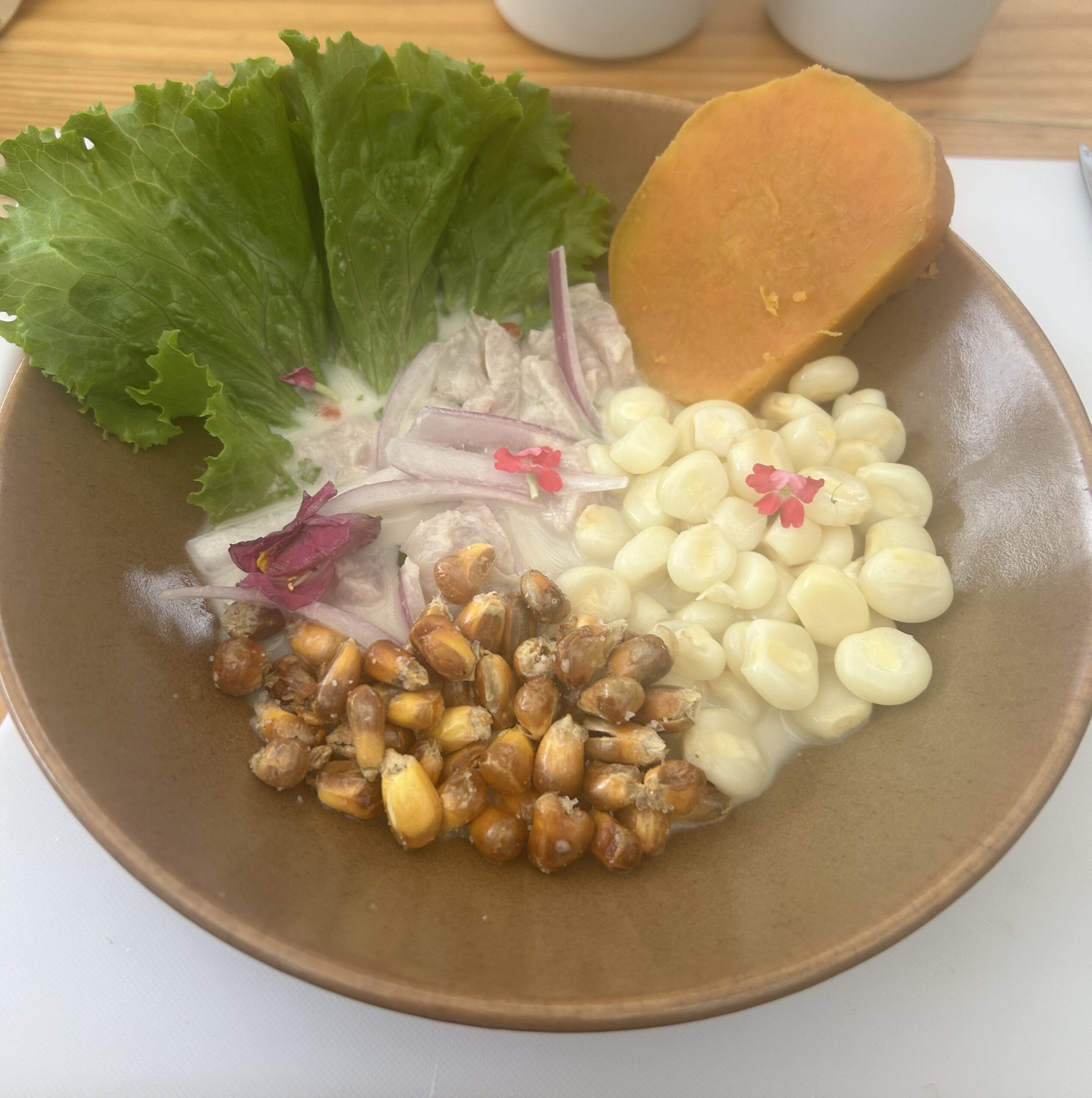
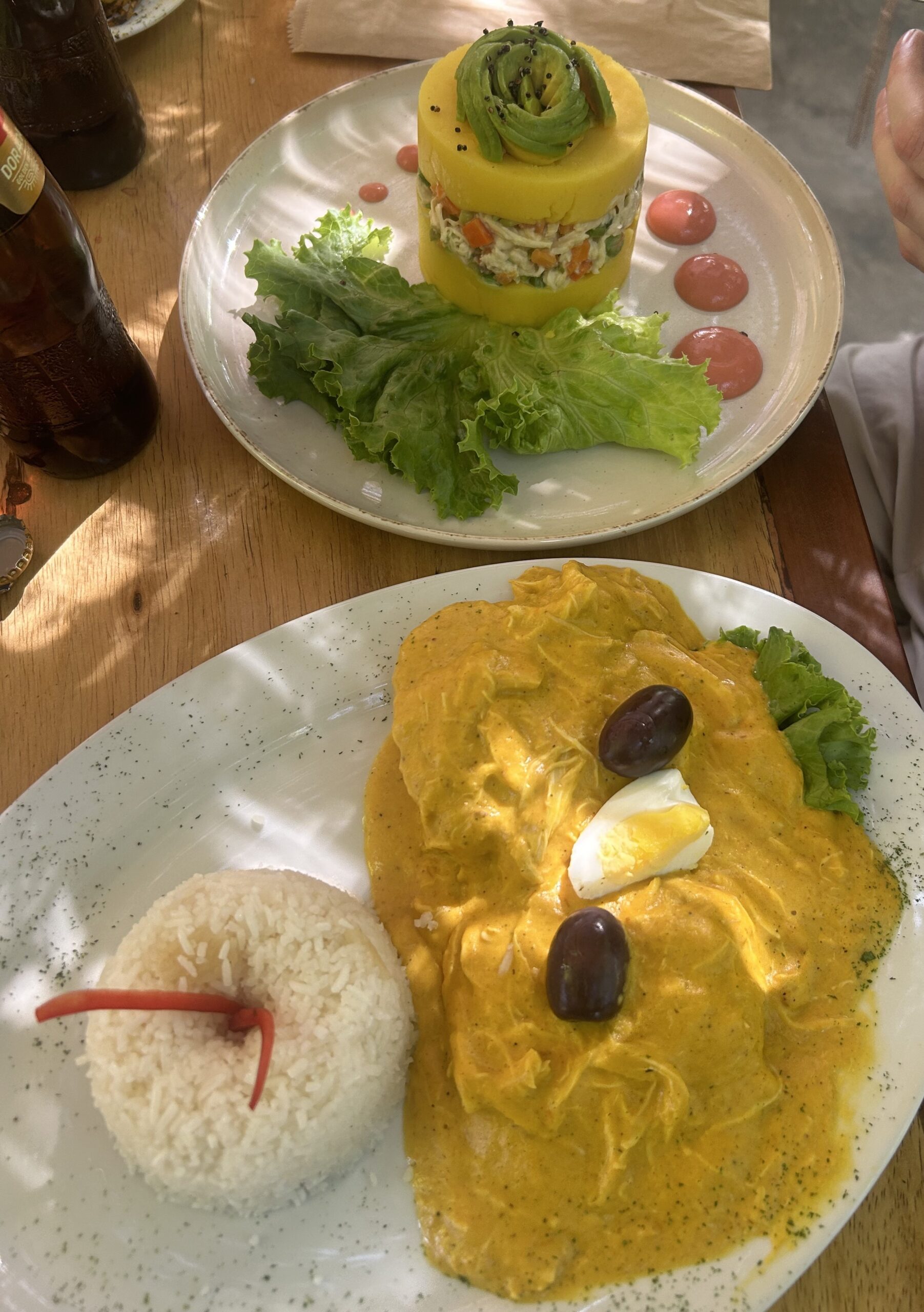
Must-Try Food: Peru is a foodie paradise, and you cannot leave without trying some of its signature dishes! Be sure to indulge in Ceviche (the crown jewel of Peruvian cuisine), Causa (a layered potato dish with various fillings), Anticuchos (grilled beef heart skewers—trust us, they’re delicious), Ají de Gallina (a creamy, flavorful shredded chicken dish), Lomo Saltado (stir-fried beef with a Peruvian twist), Chifa (Peruvian-Chinese fusion that’s a must-try), and Peruvian sushi (sushi infused with unique local flavors and ingredients).

Ceviche Cooking Class
Causa And Aji De Gallina

Must-Try Drinks: Peru’s drinks are just as iconic! Sip on a Pisco Sour (the national cocktail—strong but dangerously good), try a Chilcano (a refreshing mix of pisco, ginger ale, and lime), and for a non-alcoholic treat, enjoy Chicha Morada (a sweet, spiced purple corn drink that’s both delicious and incredibly refreshing).

Dive Into Our Adventures

  • All Posts
    •   Back
    • Peru
Lima

Peru’s capital, Lima, is a vibrant city and the only South American capital that faces the Pacific Ocean. Surprisingly, it’s…

Paracas

After thoroughly exploring Lima, we were eager to dive deeper into Peru’s diverse landscapes. Our next destination was Paracas, a…

Ica & Huacachina

Just a little over an hour from Paracas, you’ll find Ica and Huacachina—two incredible destinations that make for the ultimate…

Nazca

Nazca holds one of humanity’s greatest mysteries: the Nazca Lines. Created thousands of years ago, much about their purpose and…

Arequipa

Nestled beneath the majestic El Misti volcano, Arequipa stands as one of Peru’s most picturesque cities and its second-largest urban…

Cusco

Get ready to be swept away—both by Cusco’s rich culture and, well, the altitude! At 3,400 meters (11,200 feet) above…