While you might spot influencers on Instagram, TikTok, and various blogs proudly flashing their stash of 10-20 cards, we wouldn’t suggest diving into that madness. Managing that many cards, juggling annual fees, and keeping up with monthly payments could turn into a stressful side job, draining the fun out of the experience.
Contrary to popular belief, having multiple cards can actually positively impact your credit score. However, having too many cards open at the same time can also have a negative impact. Our strategy for opening cards and earning points is carefully tailored to our everyday spending habits.
Financial Analysis: The Foundation of Your Strategy
Do a little financial spring cleaning by knowing where your money is going by embarking on your own financial analysis. Dive deep into your spending habits to uncover where your hard-earned cash is migrating each month. It’s like spring cleaning for your finances, to declutter your financial activity and only keeping what sparks joy as Mari Kondo would say.
This simple exercise can help you achieve your financial goals—whether that involves buying a house, saving for retirement, planning for a sabbatical year to travel the world, building a cat gold statue, or whatever your heart desires. Your goals are your own, and we are not here to judge. We’ll share our example, and you can adapt it to fit your unique situation.
Our Personal Spending Journey: our Grown-Up Strategy
Evolving Your Card Strategy: Stay Flexible
While our spending might not be as wild as it was in our 20s (RIP bar-hopping days), we’ve leveled up to a more refined version of adulthood: investing in retirement like our future self depends on it, which it really does. Consequently, we’ve become stricter with our spending habits.
It primarily encompasses life essentials such as rent, food, transportation, and bills, but we also allocate some funds for fun—typically 1-2 nights out to dine and 3-4 trips per year. We are saving for the future, not aiming for an early death due to boredom.
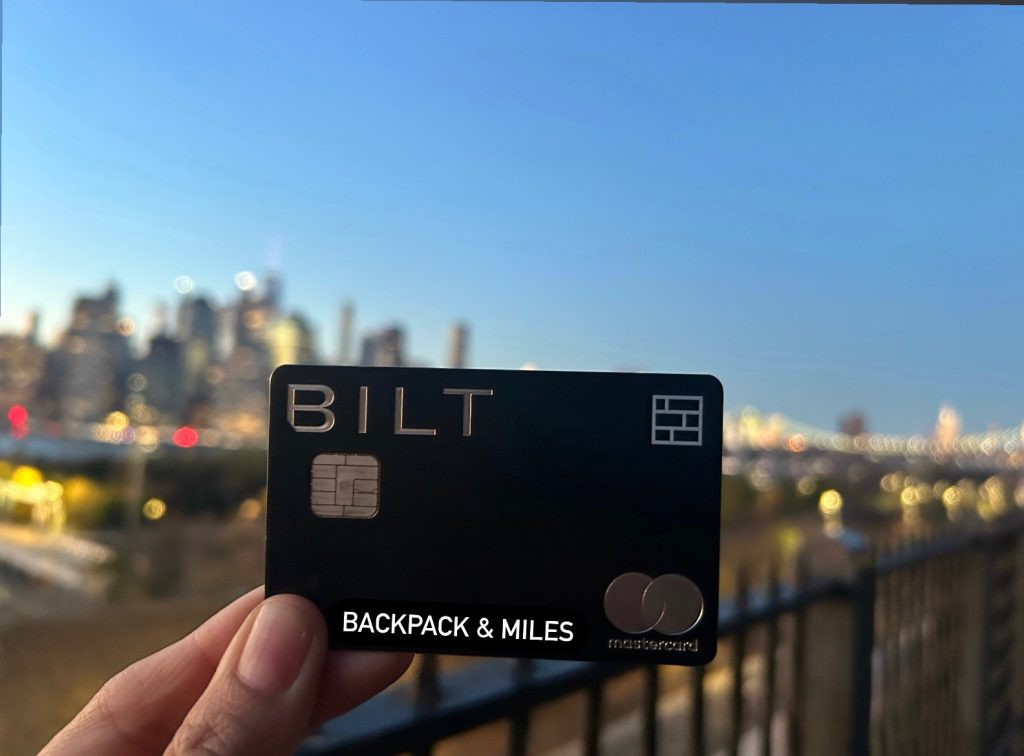
Our most significant monthly expense is rent, which is why one of us has the BITL Mastercard to earn points on rent (or HOA payments) and inject a little excitement into rent day with all the promotions and games.
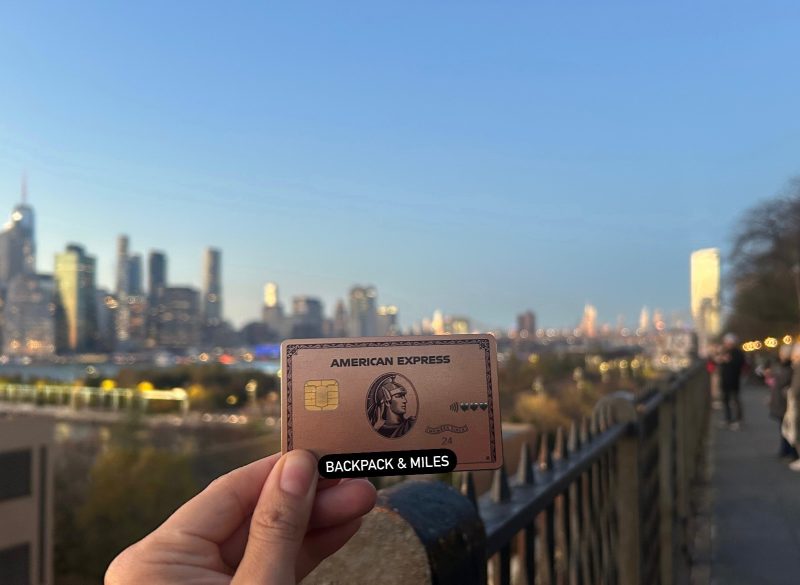
Following that, groceries rank as our second-largest spending category. We typically spend around $150 per week on groceries, so we looked for a card that would offer substantial rewards for grocery shopping. This is where the Amex Gold Card comes in as our star player, earning us 4 points per dollar spent on groceries and the occasional dining-out experience. Those are our main regular monthly expenses, but the real excitement kicks in when we start planning our travels.
While we definitely cover some travel costs with credit card points, going on a trip always has an impact on our budget. To book flights and hotels we rely on the Capital One Venture X card, which earns 5 points on flights and 10 points on hotels when booking through the Capital One travel portal. But when we want to purchase directly with the airline or hotel, we wait for rent day and switch to the BILT card, which earns 4 points on travel. As for all other expenses, our loyal Capital One Venture X card keeps the points rolling in steadily at 2 points per dollar spent.
Therefore, when it comes to our expenses, we roll with the BILT, the Capital One Venture X, and the Amex Gold—our trusty trio. With these three amigos, we tackle our major spending, earning high rewards and unlocking plenty of travel perks like lounge access. So, why not give it a shot yourself? Dive into your expenses and assemble your own dream team of credit cards!
Your credit card strategy should evolve with your life. This isn’t a forever-and-ever deal—life changes, and so do your spending habits. That’s why we’re always on the lookout for new credit card offers. Sometimes, we apply for a card because it offers a fantastic sign-up bonus and tempting perks.
However, we don’t hold onto every card we open. We regularly review our wallets to see if we can justify the annual fees for each card. If not, we consider letting it go.
That said, we don’t recommend opening and closing cards too quickly. It’s generally wise to keep cards for at least two years before closing them. Closing cards too soon can hurt your credit score, but if a card no longer provides enough value to justify its costs, it may be time to part ways. Another option, especially for older cards, is to downgrade to a no-fee version. You’ll lose some of the perks, but at least you’ll avoid the annual fee while keeping the account active.
Final Thoughts
Assess your financial goals and tailor your card selection accordingly. Dive into our different credit card posts to see if they fit your spending style. Remember, the best strategy is one that aligns with your spending habits to maximize points, not to splurge unnecessarily. So, let’s score those points, fly in style, and live our best lives!